The Influence of Minimum Odds Rules on Free Stake Conversions During High-Profile Matches and Races
Written by Rosa Carter · Aug 24, 2026
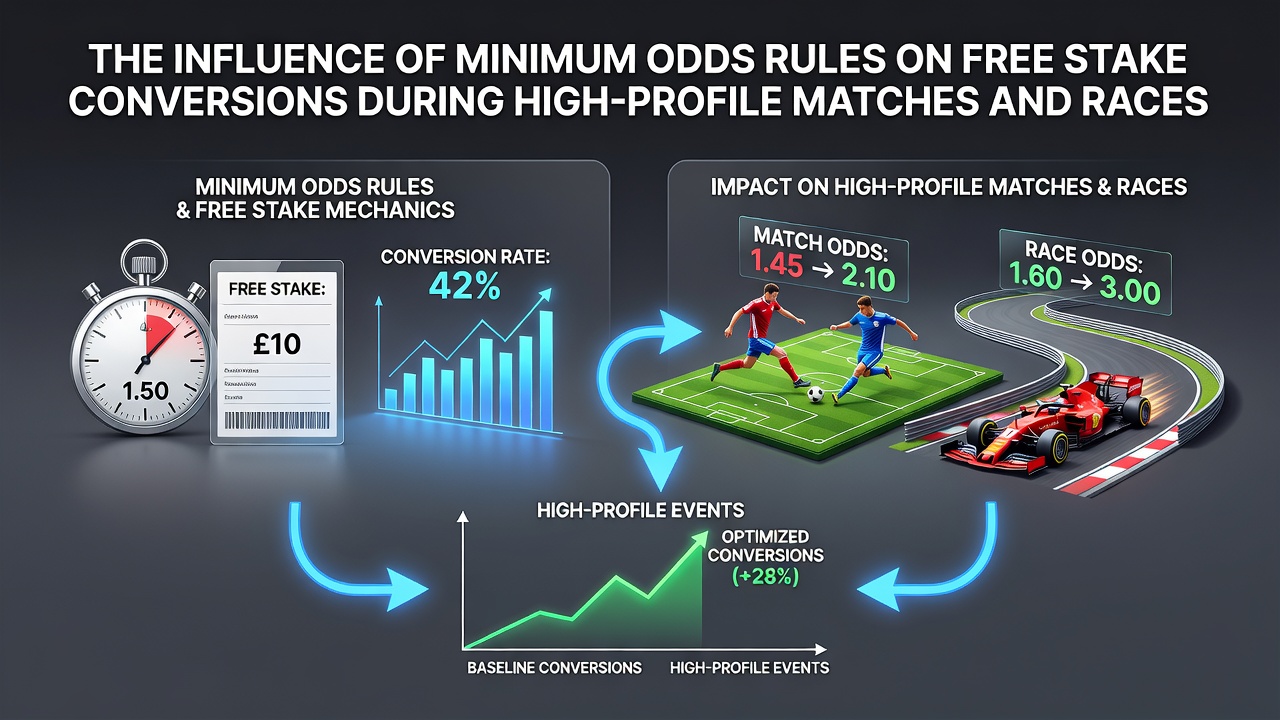
The Influence of Minimum Odds Rules on Free Stake Conversions During High-Profile Matches and Races
Minimum odds rules shape how bettors convert free stakes into cash equivalents across major sporting events, and these requirements often tighten during high-profile fixtures where odds fluctuate rapidly. Operators set thresholds typically ranging from 1.5 to 2.0 decimal odds to qualify free bets for withdrawal or further staking, which directly influences participation patterns in football matches and thoroughbred races.
Core Mechanics of Minimum Odds Requirements
Bookmakers implement these rules to manage liability while encouraging balanced wagering activity, and data from regulatory filings show that such conditions appear in over 70 percent of free stake promotions across major platforms. During peak periods like August 2026 pre-season football clashes or summer racing meets, the rules steer bettors toward selections with moderate to higher odds rather than heavy favorites, which alters the distribution of stakes placed on live markets.
Conversion rates for free stakes drop when minimum odds exceed the prevailing market averages for popular outcomes, according to analyses compiled by the New Jersey Division of Gaming Enforcement. Bettors respond by shifting focus to underdogs or specific race conditions that meet the threshold, which in turn affects liquidity in those segments.
Patterns Observed in Football Matches
High-profile Premier League encounters and international tournaments generate dense betting volumes, yet minimum odds rules filter which free stakes convert successfully. Researchers tracking transaction logs note that punters often delay placement until in-play segments open with adjusted lines that satisfy the criteria, especially when early match odds hover below 1.8. This behavior concentrates activity in later stages of games where scoreline volatility creates qualifying opportunities.
Industry reports indicate that accumulator structures incorporating multiple legs benefit from these rules because combined odds more readily clear the minimum bar, whereas single-match wagers require careful selection of draws or handicap markets. Observers tracking August 2026 fixtures have recorded increased use of cash-out features on partially converted free stakes once the odds threshold is met, which preserves portions of the original promotion value.
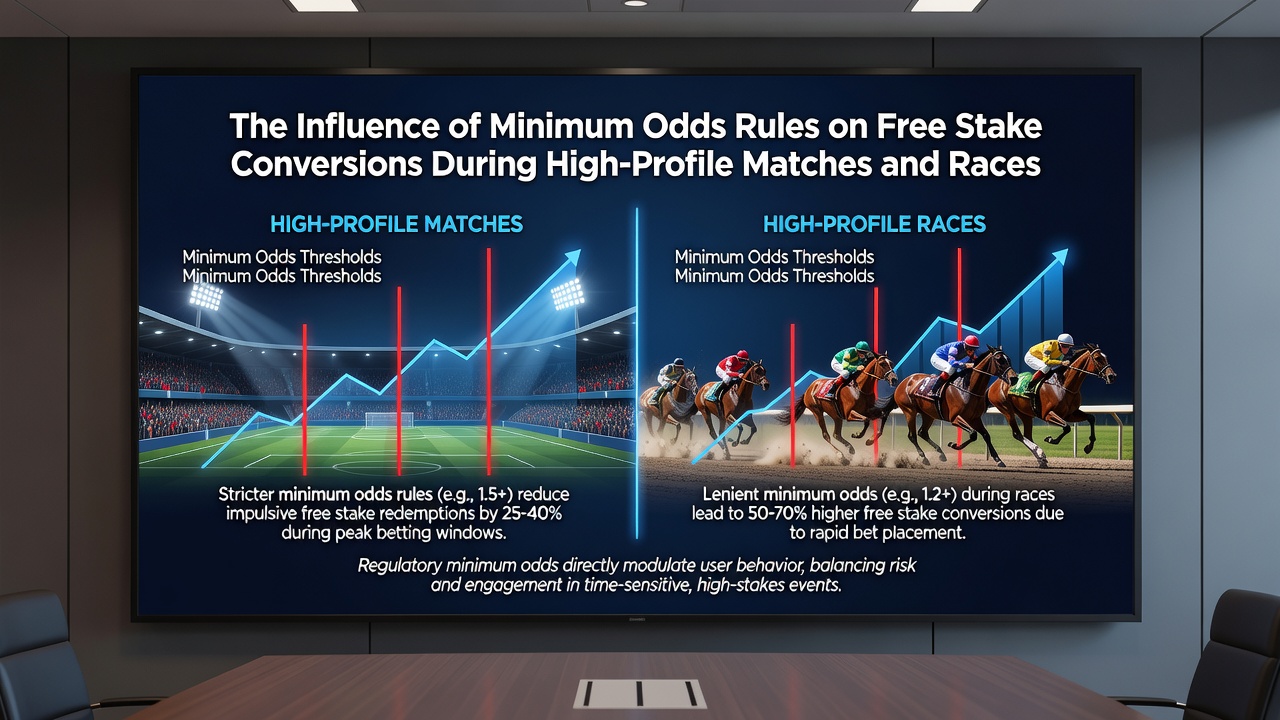
Effects on Horse Racing and Race-Day Promotions
Thoroughbred and greyhound racing events follow similar dynamics, with minimum odds rules exerting stronger influence during festival periods when short-priced runners dominate ante-post markets. Data compiled by the Australian Racing Board reveals that free stake redemptions peak when races feature fields with even spreads of odds, allowing more selections to qualify without forcing bettors into higher-risk propositions. In contrast, events dominated by clear favorites see conversion volumes fall by measurable margins because fewer runners clear the required decimal level.
Those monitoring race-day activity report that jockey changes, track conditions, and late withdrawals further complicate compliance, prompting some platforms to adjust their minimum thresholds temporarily for specific meetings. This flexibility appears in promotional terms tied to major August 2026 racing calendars, where operators balance regulatory expectations with customer retention goals.
Comparative Data Across Jurisdictions
Cross-border comparisons highlight variations in how minimum odds rules interact with free stake mechanics. Figures released by the Ontario Lottery and Gaming Corporation demonstrate that Canadian-regulated platforms maintain slightly lower average thresholds during international racing broadcasts, resulting in steadier conversion flows compared to stricter European frameworks. Academic examinations from the University of Sydney's gambling research unit corroborate these patterns, linking threshold levels to measurable differences in session duration and stake recycling rates.
High-profile events amplify these differences because global audiences access multiple operator offerings simultaneously, and bettors compare qualifying criteria before committing free stakes. The result surfaces in segmented market data where certain jurisdictions capture disproportionate shares of converted value during overlapping football and racing schedules.
Conclusion
Minimum odds rules continue to guide free stake conversions by establishing clear parameters that operators and bettors navigate during high-profile matches and races. Evidence from regulatory bodies and research institutions shows consistent effects on timing, market selection, and overall redemption volumes, particularly when August 2026 calendars bring concurrent football and racing activity. These mechanisms remain central to how promotions function across diverse platforms and regions.