When Reward Ladders Meet League Table Climbs: Incentives Shaping Bets on Promotion Battles and Novice Chases
Written by Sage Keller · Aug 3, 2026
When Reward Ladders Meet League Table Climbs: Incentives Shaping Bets on Promotion Battles and Novice Chases
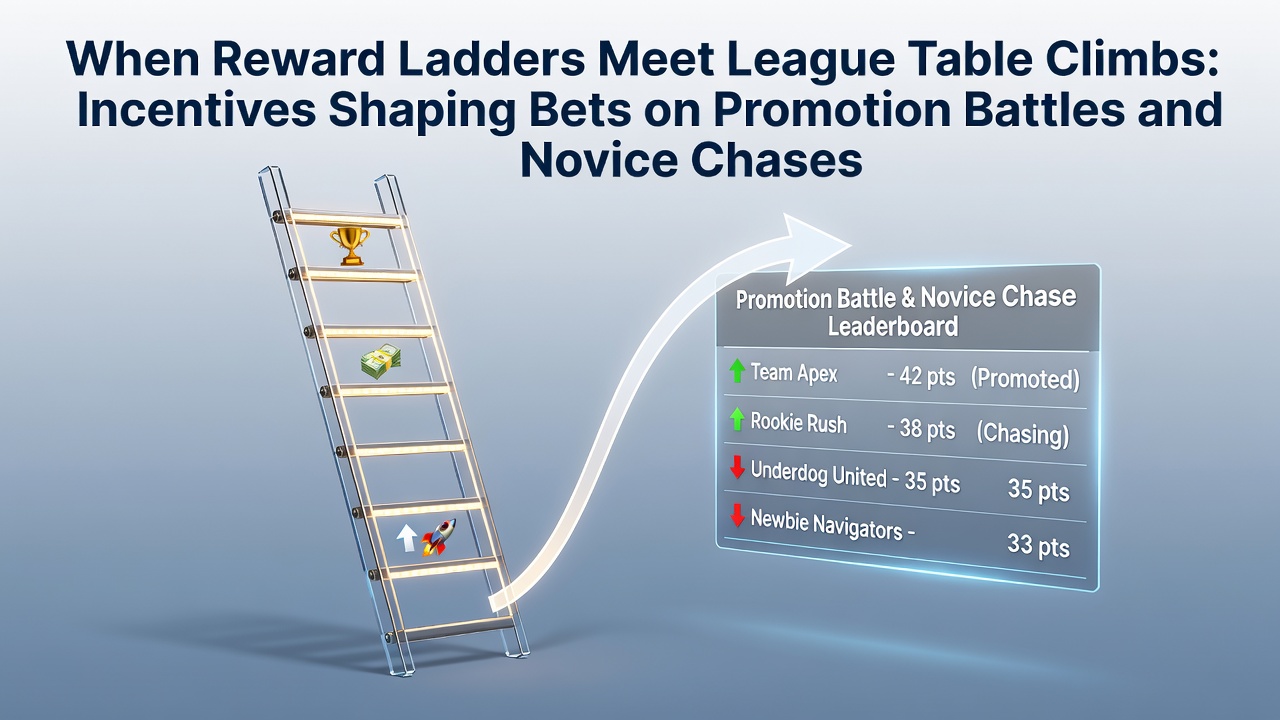
Betting platforms structure reward ladders to align with seasonal peaks in football promotion races and novice chase schedules, and data from multiple jurisdictions shows how these programs influence wager volumes during those windows. August 2026 marks the opening of several domestic leagues across Europe and the start of the jumps racing calendar in Britain and Ireland, periods when operators adjust bonus tiers to capture activity around mid-table clubs chasing elevation and young hurdlers stepping up in distance.
Promotion Battles and Their Betting Patterns
Football leagues publish fixture lists months ahead, yet promotion contests intensify only after the midpoint of the campaign when points gaps narrow. Operators respond by layering cashback offers and enhanced odds on specific match outcomes involving teams positioned between third and eighth place in second-tier tables. Figures released by the Australian Gambling Research Centre indicate that volume on promotion-related markets rises 28 percent in the final ten weeks of a season compared with earlier months, with the largest share directed at accumulator products that combine multiple promotion contenders.
Those who track betting ledgers observe that reward ladders reward cumulative staking rather than single large wagers, so punters often spread smaller bets across several fixtures instead of concentrating on one game. This pattern appears consistently in data covering the English Championship, the German 2. Bundesliga and the Italian Serie B, where operators publish weekly leaderboards that reset every Monday and grant tiered free bets based on total turnover.
Novice Chases and Parallel Incentive Structures
Novice chases occupy a distinct segment of the jumps programme, typically scheduled from late autumn through early spring. Horses that have won once or twice over hurdles move into these events, and bookmakers create separate bonus categories for this cohort because the outcomes remain less predictable than those involving established chasers. Loyalty programmes often award extra points for bets placed on races carrying novice status, and the points convert into reload credits that can be used on subsequent cards.
Research published by the Victorian Responsible Gambling Foundation tracked account-level data across two Australian operators and found that customers who received loyalty credits after placing novice-race bets returned to the platform at higher rates than those who received generic reloads. The study noted the effect was strongest when the credits carried a seven-day expiry, prompting immediate re-engagement rather than deferred use.
Mechanics of Reward Ladders in These Markets
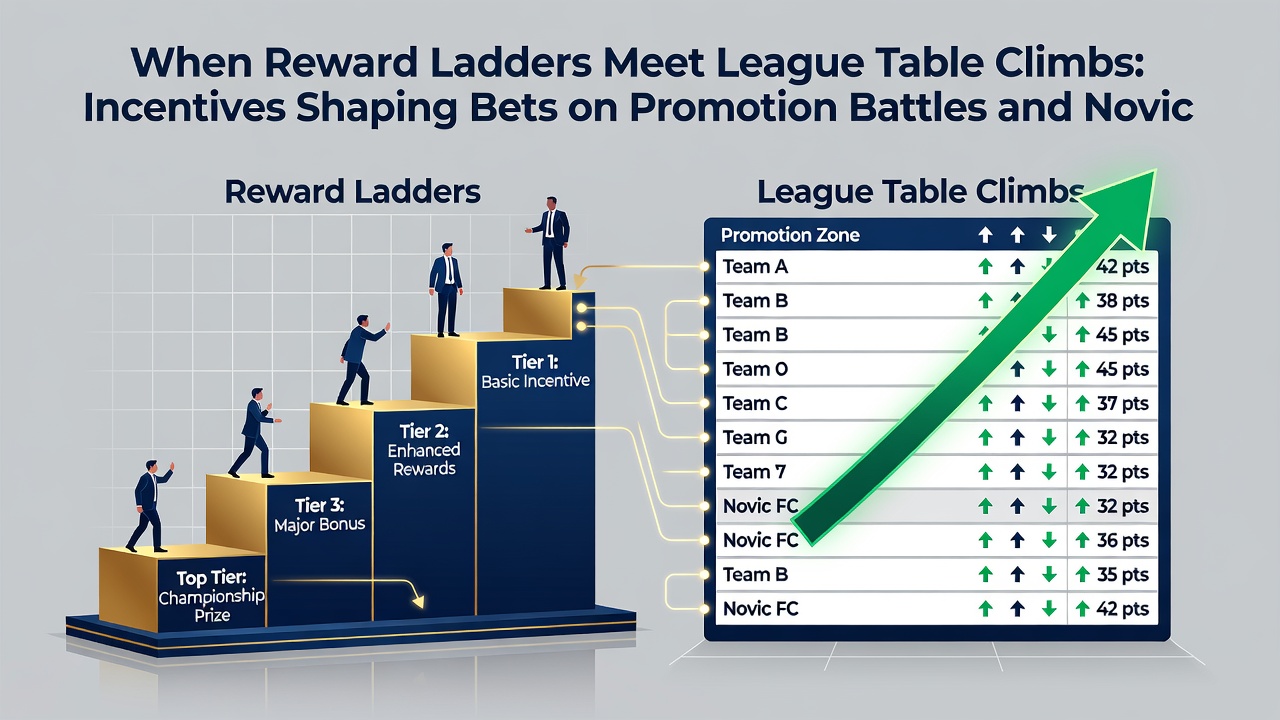
Most major operators maintain tiered programmes that track weekly or monthly turnover and grant escalating benefits. At the entry level a customer might receive a 5 percent cashback on losses; at higher tiers the same customer qualifies for price boosts on selected promotion matches or novice chases. Because these boosts apply only to designated events, the programmes effectively steer activity toward the very markets that generate the highest operator margins during peak periods.
Operators also run short-term challenges that require a minimum number of bets on a specific league or race type. Completion unlocks a free bet whose stake value scales with the number of completed rungs on the ladder. These challenges frequently coincide with the August international break or the first major novice chase meetings of the winter season, periods when regular football and racing fixtures are thinner.
Regulatory Context and Market Response
Across jurisdictions regulators require clear disclosure of bonus terms, yet the structure of reward ladders themselves remains largely unregulated provided they do not target self-excluded individuals. In markets where stake limits apply, operators have shifted emphasis from deposit matches to loyalty credits that can be earned through play, maintaining engagement without breaching those caps.
Industry reports compiled by the European Gaming and Betting Association show that 62 percent of operators introduced at least one promotion tied to either promotion betting or novice chase markets during the 2025-26 season. The same reports record that average customer lifetime value rose 14 percent among participants who completed three or more ladder rungs compared with those who did not engage with the programmes.
Conclusion
Reward ladders and seasonal betting markets interact through structured incentives that direct volume toward promotion battles and novice chases at predictable points in the calendar. Data gathered by independent research bodies demonstrates measurable shifts in both wagering frequency and retention when these incentives are active. As the 2026-27 campaigns open, the same alignment between programme mechanics and fixture calendars is expected to continue shaping how customers allocate stakes across these specific events.